Chapter 02Paint · System
Room repaint: measure once, buy once, write the color down
Look up the year the home was built first: EPA says a home built before 1978 may have lead-based paint. Then measure the room, work out the gallons for each color with the paint calculator and buy each color in one trip. Photograph the store label, write down the date of every coat, and before the lid goes back on, record the brand, color, product, sheen and room.
Source: EPA: Lead-Safe Renovations for DIYers, checked October 10, 2026; Sherwin-Williams paint calculator, checked October 10, 2026; Benjamin Moore: storing leftover paint, checked October 10, 2026.
- Two coats on the walls of a 12 x 14 ft bedroom1.7 to 2.1 gal Sherwin-Williams paint calculator, October 10, 2026; Benjamin Moore Regal Select (matte) product page, October 5, 2026
- Per gallon, one coat, for ceilings, trim and doors in Sherwin-Williams' calculator400 sq ft Sherwin-Williams paint calculator, October 10, 2026
- Brand, color, product, sheen and room, written down before you store the can5 details Benjamin Moore: storing leftover paint, October 10, 2026
Do it, skip it or get help
Do it yourself
Repainting the walls, ceiling or trim of a room you live in is a job most people plan and do themselves. You need a tape measure, the paint calculator and the label on each can, and the planning happens before the store trip. The painting itself follows the label on the can.
Skip the repaint if a touch-up will do
A scuff or a filled nail hole may only need the leftover can. If the paint record or the can gives the brand, color, product and sheen, touch up the spot and log the date instead of repainting the room.
Source: Benjamin Moore: storing leftover paint, checked October 10, 2026.
Get help in a home built before 1978
EPA says a home built before 1978 may have lead-based paint, and that renovation, repair or painting work there can make dangerous lead dust. EPA recommends a certified lead inspector or risk assessor to test the surfaces and a lead-safe certified contractor for the work. This page stops at measuring, buying and records. Renters should ask the landlord before any paint goes on.
Source: EPA: Lead-Safe Renovations for DIYers, checked October 10, 2026.
The steps, in order
Find the year the home was built
EPA says the year built is the first thing to check, because a home built before 1978 may have lead-based paint. If it's older than that, or you can't find out, read the help box before anything else.
Have ready: The year built from the deed, the listing or the lease
Source: EPA: Lead-Safe Renovations for DIYers, checked October 10, 2026.
Measure the room
Measure the floor length and width, the wall height, and each door and window. Write the numbers straight onto the paint record so they're there next time.
Have ready: A tape measure, a pencil, the record
Work out the gallons for each color
Put the measurements into the paint calculator. Walls run at 350 to 450 sq ft per gallon for one coat. Ceilings, trim and doors get their own line, at 400 sq ft per gallon in Sherwin-Williams' calculator. Multiply by the coats you plan.
Have ready: The measurements and the number of coats
Source: Sherwin-Williams paint calculator, checked October 10, 2026; Benjamin Moore Regal Select (matte) product page, checked October 5, 2026.
Write one line per color before you shop
Walls, ceiling and trim each get a line with the surface, the gallons needed and the coats. Two surfaces in the same color share a line.
Have ready: The paint record
Buy each color in one trip and photograph the label
Buy all of one color at once, so you aren't matching a second batch halfway through. Before the first drip lands, photograph the store's label with the color name and code and keep the photo with the record.
Have ready: The line per color, a phone
Read the can and write down what it says
Copy the coverage figure and the recoat time from the label onto the record. Sherwin-Williams calls a published coverage figure theoretical, because texture and the paint left on rollers and brushes aren't part of it. Where the can and the estimate differ, go by the can.
Have ready: The cans, unopened
Source: Sherwin-Williams painting FAQs, checked October 17, 2026.
Log the date of each coat
Write the date next to each coat on the record as you finish it. When the record shows the coats you planned, the room is done.
Have ready: The record and a pen
Record the paint and store the can
Before the lid goes back on, write the brand, color, product name, sheen and room on the record, the five details Benjamin Moore lists. Tape the room and color on the side of the can, reseal it and keep it somewhere dry, between 60 and 80°F.
Have ready: Masking tape, a marker, plastic wrap
Source: Benjamin Moore: storing leftover paint, checked October 10, 2026.
Print the working copy
One page, black and white, US Letter. Tick the boxes and write the dates in.
- Year built checked; if older, read the help box
- Landlord asked, if rented
- Floor, wall height, doors, windows measured
- Gallons per color from the calculator
- One record line per color
What goes wrong
The paint ran out on the second coat
The gallons were worked out for one coat, or from the best-case figure. Put the number of coats into the calculator and plan from the low end of the coverage band. Sherwin-Williams says texture and the paint left on tools aren't in the published figure.
Source: Sherwin-Williams painting FAQs, checked October 17, 2026.
The touch-up doesn't match
The same color in a different product or sheen can show on the wall. Benjamin Moore lists brand, color, product name and sheen as things to write down for touch-ups, so a record with only the color name isn't enough.
Source: Benjamin Moore: storing leftover paint, checked October 10, 2026.
The leftover can froze in the garage
Benjamin Moore gives 60 to 80°F as the storage range and warns against a garage that freezes. Keep the cans on an indoor shelf and write the shelf on the record.
Source: Benjamin Moore: storing leftover paint, checked October 10, 2026.
The label wore off the can
Lids get paint on them and labels fade. The record in the binder and the photo of the store label are the copies that last.
Sanding started before anyone checked the year
EPA says renovation, repair or painting work in a pre-1978 home with lead-based paint can easily make dangerous lead dust. The year built is step one for that reason.
Source: EPA: Lead-Safe Renovations for DIYers, checked October 10, 2026.
When the steps change
Same color as before
If the room is getting a fresh coat of the color it already has, copy the brand, product, color and sheen from the paint record or the old can and buy exactly that. Add a new dated line under the old one.
Walls, ceiling and trim in three colors
Each color gets its own line and its own gallons. The ceiling is the floor length times the width, and the calculator's ceiling, trim and door figure is 400 sq ft per gallon per coat.
Source: Sherwin-Williams paint calculator, checked October 10, 2026.
A rented home
Ask the landlord before buying paint and write the color they agree to on the record. Leave a copy of the record with them when you move out, so the next touch-up matches.
Tips and tricks
- Tip 01
Measure once, keep it forever
Room sizes don't change. With the numbers already on the paint record, the next repaint starts at the calculator and the tape measure can stay in the drawer.
- Tip 02
Photograph the label before you open the can
The store label is cleanest before the first coat. One photo keeps the color code even if the can gets painted over.
- Tip 03
Keep a small jar for touch-ups
A small sealed jar of each color, labeled with the room, is quicker to grab than a full can, and the record tells you which jar is which.
- Tip 04
File the record in the house binder
A paint record in the binder stays with the house. If you sell or move out, leave a copy for the next people.
What we would do
Plan on paper, then paint
Check the year built, measure the room and get the gallons for each color from the calculator before you go to the store. Photograph each label, date each coat, and fill in the paint record before the brushes are washed. The next touch-up, or the next repaint, starts from that page.
The tools and guides in this system
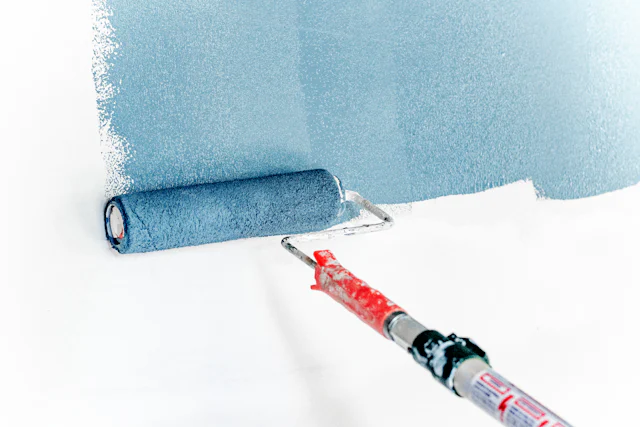 Chapter 02Paint coverage calculatorWork out how many gallons of paint a room needs from its size, doors, windows and coats, using coverage figures published by paint makers.Open the tool
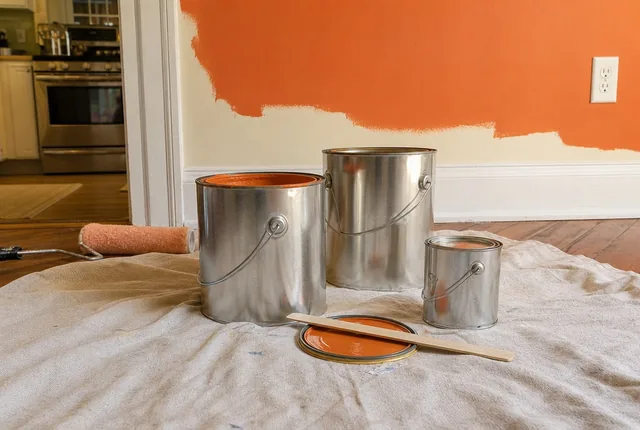 Problem-solving guideHow much paint do I really need?Work out gallons from wall area, coats and the coverage on the label, and see why a can runs out before the wall is done.Read the guide
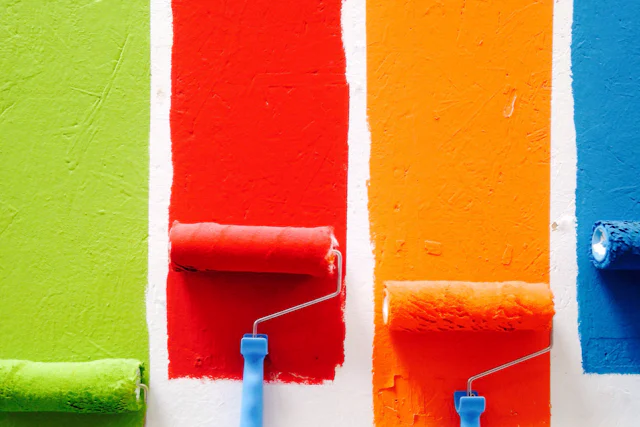 Know-howHow much paint for a ceiling, trim and doorsMeasure a ceiling, baseboards, casings and doors in square feet, then turn them into gallons and quarts. With a 12 x 14 ft bedroom worked through.Read the guide
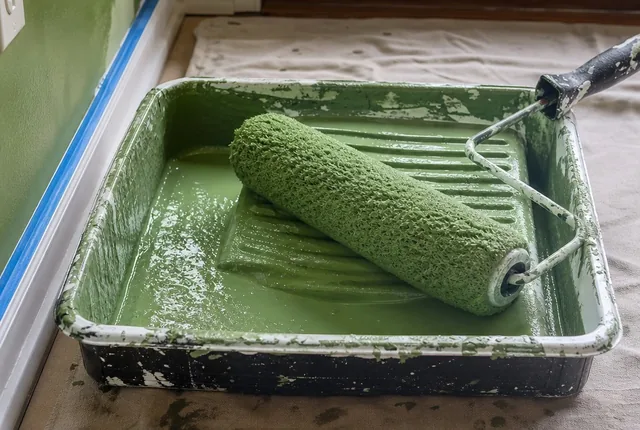 Practical notePaint record: what to write down before you store the canThe details to copy from a paint can before you store it, where to write them, and how to keep leftover paint usable for touch-ups.Read the guide
- Chapter 02All paint toolsPaint quantity tools built on coverage figures published by paint makers, plus a printable record of colors, codes and leftover cans.Open the chapter
Questions
How much paint do I need to repaint a bedroom?
A 12 x 14 ft bedroom with 8 ft walls, one door and two windows needs about 1.7 to 2.1 gallons for two coats on the walls, using one-coat figures of 350 to 450 sq ft per gallon. The ceiling and trim are worked out on their own lines.
Source: Sherwin-Williams paint calculator, checked October 10, 2026; Benjamin Moore Regal Select (matte) product page, checked October 5, 2026.
Do the ceiling and trim need their own paint amount?
Yes, when they're a different color or product. Sherwin-Williams' calculator works ceilings, trim and doors at 400 sq ft per gallon for one coat, separate from the walls.
Source: Sherwin-Williams paint calculator, checked October 10, 2026.
What should I write down after painting a room?
The brand, the color, the product name, the sheen and the room or surface, which are the five details Benjamin Moore lists for touch-ups. Add the color code from the store label, the date and the number of coats.
Source: Benjamin Moore: storing leftover paint, checked October 10, 2026.
My home was built before 1978. What does that change?
EPA says it may have lead-based paint and recommends a certified lead inspector or risk assessor to test the surfaces, and a lead-safe certified contractor for renovation, repair or painting work. Read EPA's do-it-yourself page before any work starts.
Source: EPA: Lead-Safe Renovations for DIYers, checked October 10, 2026.
How long does leftover paint keep?
Benjamin Moore puts most opened paint at about two years, stored dry and between 60 and 80°F. Stir it before a touch-up and check it for a sour smell or lumps.
Source: Benjamin Moore: storing leftover paint, checked October 10, 2026.
The primary source
6 Tips For Storing Leftover Paint & Shelf Life, Benjamin Moore. Checked October 10, 2026.
The steps on this page follow this source. Other figures cite their own source where they appear.
Other sources on this page
- Lead-Safe Renovations for DIYers, US Environmental Protection Agency. Checked October 10, 2026.
- Paint Calculator, Sherwin-Williams. Checked October 10, 2026.
- Regal Select Interior Paint - Matte, Benjamin Moore. Checked October 5, 2026.
- Painting FAQs, Sherwin-Williams. Checked October 17, 2026.
See every source on the site on the sources page. Spotted an error? Tell us.