Chapter 01Records · System
Furnace filter record: every slot, its size, the spares and each change
Find every filter in the house: behind the return grilles, in a slot at the furnace or air handler, or in a cabinet in the ductwork. Write each slot's size off the old frame (or measure the slot), photograph the airflow arrow, and keep 4 to 6 spares a year for each slot. Check the filter once a month and change it every 60 to 90 days, sooner if it looks dirty. Write each change date on the frame and on the record.
Source: Filterbuy, Where Is My HVAC Air Filter?, checked October 9, 2026; Filterbuy, How to Measure Your Air Filter, checked October 9, 2026; EPA, Guide to Air Cleaners in the Home, checked October 9, 2026; ENERGY STAR maintenance checklist, checked October 15, 2026.
- Between changes, the range manufacturers typically give (EPA)60 to 90 days EPA, Guide to Air Cleaners in the Home, October 9, 2026
- Look at the filter (ENERGY STAR)Once a month ENERGY STAR maintenance checklist, October 15, 2026
- Spares a year for each slot4 to 6 Counted from this page
Do it, skip it or get help
Keep the record yourself
Sliding a filter out of a return grille or a furnace slot takes a few minutes. Filterbuy says to turn the system off at the thermostat before you pull the old one. The first walk through the house to find every slot takes the longest.
Source: Filterbuy, How to Measure Your Air Filter, checked October 9, 2026.
Skip the steps you don't need
If the size is still printed on the old frame, skip the measuring. If your landlord brings the filters, skip the shopping and keep only the change dates.
Get help past the filter
If the filter sits behind a panel you can't open, follow the equipment maker's manual or have the contractor show you at the yearly check-up. ENERGY STAR recommends a contractor check-up before each heating and cooling season. Anything beyond the filter, such as a strange noise or a system that won't start, goes to a licensed contractor.
Source: ENERGY STAR maintenance checklist, checked October 15, 2026.
The steps, in order
Find every filter slot
Filters sit on the return side: behind a return grille, in a slot at the furnace or air handler, or in a cabinet in the ductwork. Bigger homes often have more than one, so open every return grille. Give each slot a number and write where it is.
Have ready: A flashlight, a screwdriver for grille clips, the record sheet
Source: Filterbuy, Where Is My HVAC Air Filter?, checked October 9, 2026.
Read the size and photograph the frame
Turn the system off at the thermostat, slide the filter out and read the frame. The nominal size is the big print and the actual size is the small print. Photograph both and the airflow arrow, then write the nominal size in that slot's row.
Have ready: A phone and the thermostat set to off
Source: Filterbuy, How to Measure Your Air Filter, checked October 9, 2026.
No size printed? Measure the slot
Measure the empty slot, short side, long side and depth, to the tenth of an inch. Don't use a bowed old filter, which reads short. Round each number to the nearest inch. A true fraction such as 22.25 means a custom slot, so order the exact figure.
Have ready: A tape measure that reads in tenths
Source: Filterbuy, How to Measure Your Air Filter, checked October 9, 2026.
Write the size on the duct
Put the nominal size and an arrow in marker next to each slot. Filterbuy says depth is the size ordered wrong most often, so write all three numbers.
Have ready: A marker
Source: Filterbuy, How to Measure Your Air Filter, checked October 9, 2026.
Buy one, test it, then buy the year
Buy a single filter, slide it in with the arrow the way your photo shows, and run a hand round the edges with the system on to feel for gaps. Once it fits, buy the rest: a change every 60 to 90 days is 4 to 6 filters a year for each slot. Store them flat.
Have ready: Last year's count, if you have one
Source: Filterbuy, How to Measure Your Air Filter, checked October 9, 2026; EPA, Guide to Air Cleaners in the Home, checked October 9, 2026.
Date the frame, log the change
Write the date on the new filter's frame and on the change log, with the slot number. The next change falls 60 to 90 days later; write that window in the same row.
Have ready: The marker and the change log
Source: EPA, Guide to Air Cleaners in the Home, checked October 9, 2026.
Look at it once a month
ENERGY STAR says to inspect the filter monthly. Pick one day, such as the first Saturday, and slide each filter out. The American Lung Association suggests holding it next to a white sheet of paper; if it looks dirty, change it now and log it.
Have ready: A sheet of white paper
Source: ENERGY STAR maintenance checklist, checked October 15, 2026; American Lung Association, Air Cleaning, checked October 9, 2026.
Once a year: count spares, book the check-up
In early fall, count the spares for each size and write the order for the year ahead. ENERGY STAR suggests checking the heating system in the fall, before contractors get busy, so book the check-up the same week and log it.
Have ready: The spares shelf and the contractor's number
Source: ENERGY STAR maintenance checklist, checked October 15, 2026.
Print the working copy
One page, black and white, US Letter. Tick the boxes and write the dates in.
- Every return grille opened and checked
- Each slot numbered, place written down
- Size read off the frame, or slot measured
- Frame and airflow arrow photographed
- Size and arrow written on the duct
What goes wrong
The wrong depth arrives
Filterbuy names depth as the dimension most often ordered wrong, and a thicker filter won't slide into a thin slot. The size written on the duct, with all three numbers, stops this.
Source: Filterbuy, How to Measure Your Air Filter, checked October 9, 2026.
A slot nobody knew about
Homes with equipment in the attic or crawlspace often have filters at several grilles instead of one at the unit. A slot missed on the first walk never gets changed. Open every return grille once.
Source: Filterbuy, Where Is My HVAC Air Filter?, checked October 9, 2026.
Air slipping round the edges
The EPA says the filter should fit snugly so air doesn't leak around it, without bending or crushing it to fit. Filterbuy says not to cut a standard filter down. If the edges leak, check the size against the slot again.
Source: EPA, Guide to Air Cleaners in the Home, checked October 9, 2026; Filterbuy, How to Measure Your Air Filter, checked October 9, 2026.
Nobody remembers the last change
Without a date on the frame or a line in the log, a filter can sit for a season. The monthly look and the dated frame make an old filter easy to spot.
Spares that don't fit
A case bought before testing one filter, or stored on its edge until the frames bend, ends up in the garage. Test one first and keep the rest flat.
When the steps change
More than one slot
Each slot gets its own row and its own spares. Two slots in the same house can take different sizes, so label the spares by slot number.
Source: Filterbuy, Where Is My HVAC Air Filter?, checked October 9, 2026.
Heat pump
A heat pump's air handler runs for both heating and cooling, so its filter loads faster than the same filter in a furnace and AC home. Keep the monthly look all year and plan on the shorter end of the range.
Source: Filterbuy, Where Is My HVAC Air Filter?, checked October 9, 2026.
Thick media filters
A 4-inch filter in a cabinet follows the change interval printed on it or in the equipment manual, not the 1-inch pace. Log its date the same way.
Source: Filterbuy air filter size chart, checked October 9, 2026; EPA, Guide to Air Cleaners in the Home, checked October 9, 2026.
Renting
Ask who changes the filters. Either way, keep the dates on the record so you can show when each one was done.
Tips and tricks
- Tip 01
Same day as the alarm test
If you already test the smoke alarms on the first Saturday, look at the filters the same morning. Both checks then go on the same binder trip.
- Tip 02
Label spares by slot
Write the slot number on each spare's wrapper. With two sizes on the shelf, the right one comes off first time.
- Tip 03
Keep the photo with the record
The photo of the old frame has the size, the brand and the arrow in one picture. Print it small and tape it inside the binder.
- Tip 04
Buy for the short end
Plan six filters a slot. If the monthly look shows a clean filter at 90 days, the leftover carries into next year.
Source: EPA, Guide to Air Cleaners in the Home, checked October 9, 2026.
- Tip 05
Thermostat off first
Filterbuy says to turn the system off at the thermostat before the filter comes out. Turn it back on and feel the edges once the new one is in.
Source: Filterbuy, How to Measure Your Air Filter, checked October 9, 2026.
What we would do
Find every slot first, then buy for the year
Walk the house once with a flashlight and open every return grille. Photograph each frame, write each size on its duct and on the record, and buy one filter per slot to test the fit. When they fit, buy six per slot and store them flat. Then put the monthly look on the same day as another routine you already keep.
The tools and guides in this system
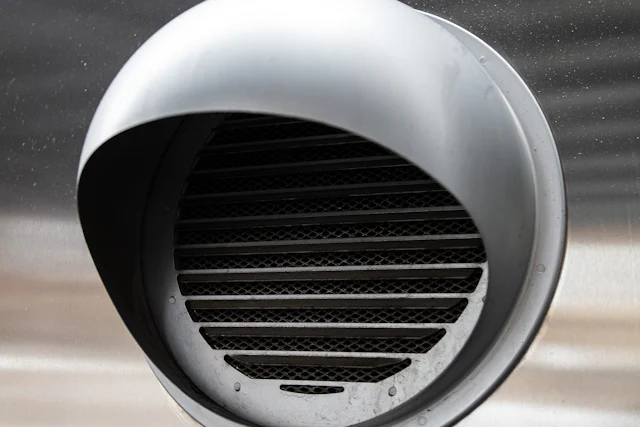 Chapter 01HVAC filter size finder and replacement plannerTurn a nominal size like 16x25x1 into the filter's actual dimensions, or measure an old filter to find the size to buy, then plan the next change.Open the tool
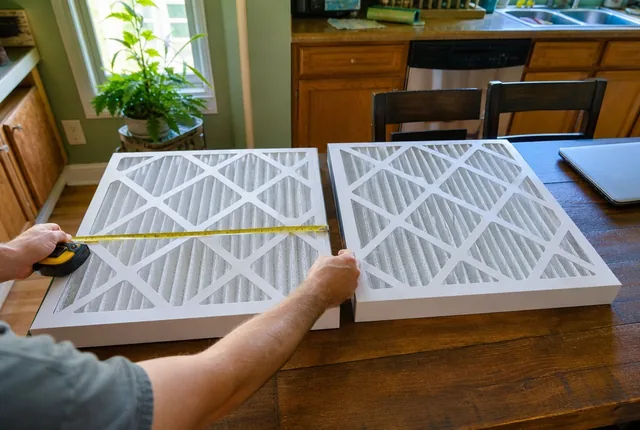 Know-howNominal vs actual HVAC filter sizes, explainedWhy a 16x25x1 filter measures about 15.5 x 24.5 x 0.75 inches, how to read the label, and how to size an old filter with no print on it.Read the guide
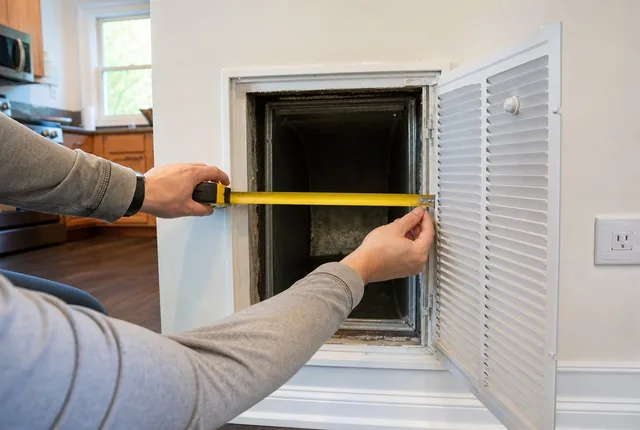 ProblemNo size printed on my air filter: how to find itThe print on the frame is gone or the slot is empty. Measure the opening, round to the nearest inch, and know when you need a custom size.Read the guide
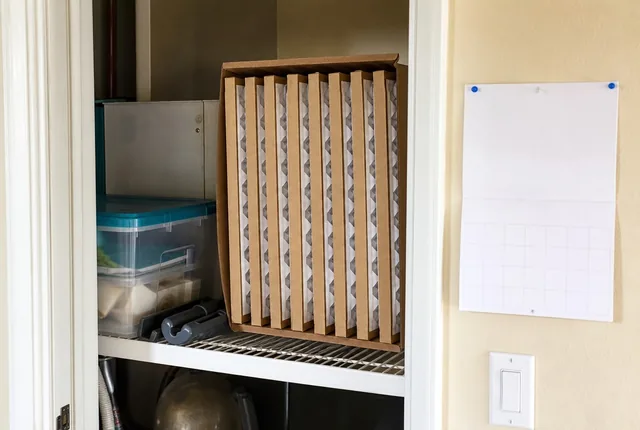 Practical noteHow many air filters to buy for a yearPlan on 4 to 6 filters a year for each filter slot, from the 60 to 90 day change range. Count your slots, check monthly and order by size.Read the guide
- Chapter 01All records toolsPrintable home records with a calculator behind each one: appliance and warranty log, HVAC filter sizes and change dates.Open the chapter
Questions
How do I keep track of when I changed my furnace filter?
Write the date on the new filter's frame with a marker, and add a line to a change log with the slot number and the next change window. At the monthly look, the frame tells you how long that filter has been in.
How often should I change my furnace filter?
The EPA says manufacturers typically recommend every 60 to 90 days, and ENERGY STAR says to inspect it monthly. Go by your equipment maker's interval if it gives one, and change the filter sooner if it looks dirty.
Source: EPA, Guide to Air Cleaners in the Home, checked October 9, 2026; ENERGY STAR maintenance checklist, checked October 15, 2026.
How many furnace filters do I need for a year?
4 to 6 for each slot. A change every 90 days uses 4 a year and every 60 days uses 6, the EPA's typical range.
Source: EPA, Guide to Air Cleaners in the Home, checked October 9, 2026.
Does my house have more than one air filter?
It might. Filterbuy says bigger homes often have more than one, and equipment in an attic or crawlspace often means filters at the return grilles instead of one at the unit. Open every grille and count.
Source: Filterbuy, Where Is My HVAC Air Filter?, checked October 9, 2026.
What should a filter change log include?
The slot number and where it is, the nominal size with depth, the date of each change, how dirty the old filter looked, the next change window, and how many spares are left.
The primary source
Guide to Air Cleaners in the Home, U.S. Environmental Protection Agency. Checked October 9, 2026.
The steps on this page follow this source. Other figures cite their own source where they appear.
Other sources on this page
- Where Is My HVAC Air Filter? Return Vents, Air Handlers, and Furnace Locations, Filterbuy (US air filter manufacturer). Checked October 9, 2026.
- How to Measure Your Air Filter: Complete Step-by-Step Guide, Filterbuy (US air filter manufacturer). Checked October 9, 2026.
- Heating and Cooling Maintenance Checklist, ENERGY STAR (U.S. EPA and DOE). Checked October 15, 2026.
- Air Cleaning, American Lung Association. Checked October 9, 2026.
- Air Filter Sizes: Nominal vs. Actual Dimensions, Filterbuy (US air filter manufacturer). Checked October 9, 2026.
See every source on the site on the sources page. Spotted an error? Tell us.