Chapter 05Calendar · System
Monthly house check
Pick one day a month and walk the house in the same order. Press test on every smoke alarm and CO alarm (NFPA says at least once a month). Slide out the HVAC filter and look at it (ENERGY STAR says inspect, clean or change it monthly). Read the water meter, every digit including any painted zeros, and subtract last month's number; the meter never resets. Look under each sink for water on the outside of the fittings, and give one toilet the food coloring test (EPA). Write one line. If a month's water use jumps, or anything is wet, the fix goes to a plumber or the landlord.
Source: NFPA, installing and maintaining smoke alarms, checked October 15, 2026; NFPA, carbon monoxide safety, checked October 15, 2026; ENERGY STAR maintenance checklist, checked October 15, 2026; NYC DEP, How to Read Your Water Meter, checked October 15, 2026; Kentucky PSC, A Consumer's Guide to Reading Electric & Gas Meters, checked October 10, 2026; EPA WaterSense, Fix a Leak Week, checked October 15, 2026.
- Press test on every smoke and CO alarm (NFPA)Monthly NFPA, installing and maintaining smoke alarms, October 15, 2026; NFPA, carbon monoxide safety, October 15, 2026
- In one cubic foot on the water meter (NYC DEP)7.48 gal NYC DEP, How to Read Your Water Meter, October 15, 2026
- No water used, meter read before and after: EPA's leak check2 hours EPA WaterSense, Fix a Leak Week, October 15, 2026
Do it, skip it or get help
Do the walk yourself
Pressing test buttons, looking at a filter, reading a meter and opening sink cabinets needs a flashlight, a pen and the log page.
Skip the stops you don't have
No ducted heating or cooling: skip the filter row. No water meter of your own, as in many apartments: skip the meter row and keep the alarms, sinks and toilet.
Fixes go to a plumber, a contractor or the landlord
A leak, a toilet that fails the color test, or a jump in the meter you can't explain goes to a plumber. An alarm that stays quiet gets the maker's instructions or a call to the landlord. This page records what you saw and when.
Source: EPA WaterSense, Fix a Leak Week, checked October 15, 2026; NFPA, installing and maintaining smoke alarms, checked October 15, 2026.
The steps, in order
Pick the day
Choose a day you already remember, like rent day or the first Saturday, and write it at the top of the log. Plan the loop so it ends at the water meter.
Have ready: The log page on a clipboard and a pencil
Test every alarm
Press and hold the test button on each smoke alarm, then each CO alarm, until it sounds. NFPA says to test both at least once a month.
Have ready: The alarm list from the smoke alarm record, so none gets missed
Source: NFPA, installing and maintaining smoke alarms, checked October 15, 2026; NFPA, carbon monoxide safety, checked October 15, 2026.
Look at the filter
Slide it out and hold it up to the light. ENERGY STAR says to inspect, clean or change it once a month. If you put in a new one, write the date and the size.
Have ready: The filter size and a spare on the shelf
Source: ENERGY STAR maintenance checklist, checked October 15, 2026.
Look under each sink
Open the kitchen, bathroom and laundry cabinets. EPA says surface leaks show as water on the outside of faucet gaskets and pipe fittings. Look, touch, and write down anything wet.
Have ready: A flashlight and a dry paper towel for the cabinet floor
Source: EPA WaterSense, Fix a Leak Week, checked October 15, 2026.
One toilet gets the color test
A few drops of food coloring in the tank, no flushing for 10 minutes, then look in the bowl. EPA says color in the bowl means a leak. Flush afterward so the tank doesn't stain. Next month, move on to the next toilet.
Have ready: Food coloring and the name of this month's toilet
Source: EPA WaterSense, Fix a Leak Week, checked October 15, 2026.
Read the water meter
Write down every digit, including any fixed or painted zeros on the right; NYC DEP says that gives the reading in cubic feet. The register keeps a running total like a car odometer, so this month minus last month is the month's use. One cubic foot is 7.48 gallons.
Have ready: Last month's reading on the log
Source: NYC DEP, How to Read Your Water Meter, checked October 15, 2026; Kentucky PSC, A Consumer's Guide to Reading Electric & Gas Meters, checked October 10, 2026.
Write one line
Date, alarms tested, filter looked at or changed, meter reading, the month's use, which toilet got the test, and anything new. A blank last column is a good month.
Have ready: The pencil you started with
When a month jumps, check and call
If the use jumps and nothing changed at home, do EPA's check: read the meter, use no water for two hours, read it again. If it moved at all there is probably a leak. Write both readings and book a plumber, or tell the landlord in writing.
Have ready: The two readings, the times, and the plumber's or landlord's number
Source: EPA WaterSense, Fix a Leak Week, checked October 15, 2026.
Print the working copy
One page, black and white, US Letter. Tick the boxes and write the dates in.
- Every smoke alarm tested
- Every CO alarm tested
- Filter looked at (changed? size)
- Under each sink looked at, towel checked
- This month's toilet: color test, bowl checked
What goes wrong
"Sometime this month" never comes
Without a fixed day the check slides into next month, and the meter subtraction covers two months instead of one. Put the day on the calendar and at the top of the log.
The painted zeros get left off
NYC DEP says larger meters have fixed or painted zeros at the right end, and that the reading is in cubic feet only when you write them all down. Drop them and every month looks ten or a hundred times smaller.
Source: NYC DEP, How to Read Your Water Meter, checked October 15, 2026.
One reading with nothing to compare
A single month says little. Twelve lines show what is normal for your house, and EPA gives a rough line for a colder month: a family of four using more than 12,000 gallons in January or February could have serious leaks.
Source: EPA WaterSense, Fix a Leak Week, checked October 15, 2026.
A quiet alarm gets a note and nothing else
Writing "hall alarm quiet" is the start. Follow the maker's instructions that day or tell the landlord, and write the date it was sorted out on the same line.
Slow leaks run all year
EPA says household leaks can waste more than 9,300 gallons a year. A drip under a sink or a toilet that fails the color test shows up on the log in the month it starts, not a year later.
Source: EPA WaterSense, Fix a Leak Week, checked October 15, 2026.
When the steps change
Renting an apartment
Test the alarms, look under the sinks and do the toilet test. If the building has one meter for everyone, skip that row. Send anything wet or any quiet alarm to the landlord in writing and note the date you sent it.
Digital water meter
Read it like a digital clock, as the Kentucky PSC guide says for digital meters, and write down the whole number. The subtraction works the same way.
Source: Kentucky PSC, A Consumer's Guide to Reading Electric & Gas Meters, checked October 10, 2026.
No ducted heating or cooling
Window units, baseboard heat or a wood stove: drop the filter column and use the space for a note on each room unit.
Smoke alarm birthday month
Once a year, in the same month, take each smoke alarm down and read the date on the back. USFA says to replace an alarm 10 years from that date. Write the replace-by year in the alarm record.
Source: USFA, Don't wait, check the date handout, checked October 12, 2026.
Tips and tricks
- Tip 01
Hang the log by the meter or the filter
A clipboard where the walk ends means the line gets written before you walk away.
- Tip 02
Photograph the meter face
A phone photo keeps the reading if the pencil goes missing, and the date stamp shows when you took it.
- Tip 03
Lay a paper towel under each sink
Next month a dry towel takes one glance. A marked one shows a new drip even if it has dried since.
- Tip 04
Write the toilet names in the margin
Upstairs, hall, basement. Circle this month's, and the rotation keeps itself.
- Tip 05
Buy filters before the shelf is empty
If the spare goes in this month, put filters on the shopping list the same day.
What we would do
Start on your next rent day or first Saturday
Print the free page, write the day at the top, and do the loop once from the top floor to the meter. That first line is the one every later month gets compared to.
The tools and guides in this system
 Chapter 05Home maintenance calendarPick your climate region, say whether you own or rent and tick what the house has. Get a year of household jobs by month and a year sheet to print.Open the tool
 Chapter 01Smoke and CO alarm plannerCount smoke and CO alarms level by level from NFPA's placement list, then get the replace-by date and the next battery change for your alarms.Open the tool
 Chapter 01HVAC filter size finder and replacement plannerTurn a nominal size like 16x25x1 into the filter's actual dimensions, or measure an old filter to find the size to buy, then plan the next change.Open the tool
 Chapter 01Home service logTurn the last visit for your heating, cooling, chimney and septic service into the next due date and a book-by date, then print a log of who to call.Open the tool
 Practical noteThe monthly walk: a 10-minute house check with one line to write downA 10-minute monthly house check: test each smoke and CO alarm, look at the HVAC filter, read the water meter, look under the sinks and write one line.Read the guide
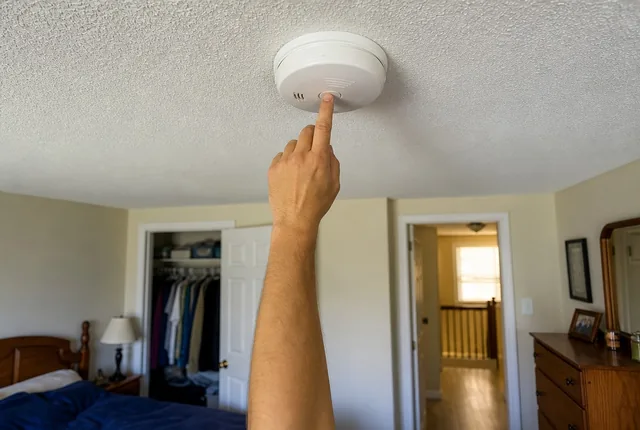 Practical noteHow to test smoke and CO alarms room by room, once a monthPress each test button on a fixed route, listen for the loud beep and write the date in the log. What a chirp means, plus the yearly battery job.Read the guide
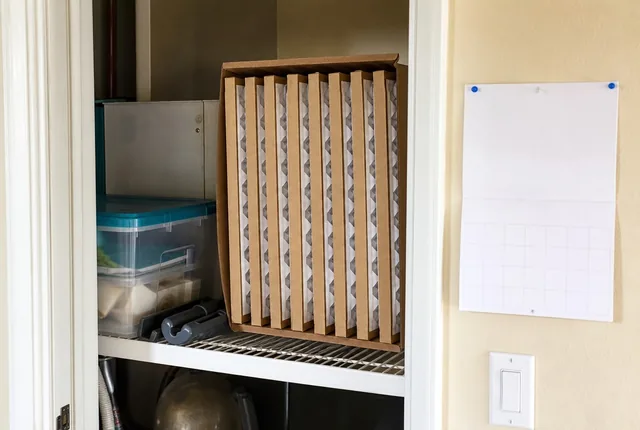 Practical noteHow many air filters to buy for a yearPlan on 4 to 6 filters a year for each filter slot, from the 60 to 90 day change range. Count your slots, check monthly and order by size.Read the guide
- Chapter 05All calendar toolsA home maintenance calendar for your climate region: the jobs to book, check and write down each month, for owners and renters, with a year sheet to print.Open the chapter
Questions
What should I check in my house every month?
Test every smoke and CO alarm (NFPA), look at the HVAC filter (ENERGY STAR), read the water meter, look under each sink for water on the fittings and give one toilet the food coloring test (EPA). Then write one line with the date and anything new.
Source: NFPA, installing and maintaining smoke alarms, checked October 15, 2026; NFPA, carbon monoxide safety, checked October 15, 2026; ENERGY STAR maintenance checklist, checked October 15, 2026; EPA WaterSense, Fix a Leak Week, checked October 15, 2026.
How do I work out how much water we used this month?
Subtract last month's reading from this month's. The meter keeps a running total and isn't reset. If it reads in cubic feet, multiply by 7.48 for gallons: 518 cubic feet is about 3,875 gallons.
Source: NYC DEP, How to Read Your Water Meter, checked October 15, 2026; Kentucky PSC, A Consumer's Guide to Reading Electric & Gas Meters, checked October 10, 2026.
How can I tell from the meter if there's a leak?
EPA's check: read the meter, use no water for two hours, then read it again. If the number changed at all, there is probably a leak. Write both readings down and call a plumber, or the landlord if you rent.
Source: EPA WaterSense, Fix a Leak Week, checked October 15, 2026.
How often should I test smoke and carbon monoxide alarms?
NFPA says at least once a month for both, using the test button.
Source: NFPA, installing and maintaining smoke alarms, checked October 15, 2026; NFPA, carbon monoxide safety, checked October 15, 2026.
Do I need to check every toilet every month?
No. One a month keeps the walk short. With three toilets, each gets its turn four times a year.
The primary source
How to Read Your Water Meter, New York City Department of Environmental Protection. Checked October 15, 2026.
The steps on this page follow this source. Other figures cite their own source where they appear.
Other sources on this page
- Installing and maintaining smoke alarms, National Fire Protection Association (NFPA). Checked October 15, 2026.
- Carbon monoxide safety, National Fire Protection Association (NFPA). Checked October 15, 2026.
- Heating and Cooling Maintenance Checklist, ENERGY STAR (U.S. EPA and DOE). Checked October 15, 2026.
- A Consumer's Guide to Reading Electric & Gas Meters, Kentucky Public Service Commission. Checked October 10, 2026.
- Fix a Leak Week, U.S. Environmental Protection Agency, WaterSense. Checked October 15, 2026.
- Don't Wait, Check the Date! Replace smoke alarms every 10 years, U.S. Fire Administration (FEMA). Checked October 12, 2026.
See every source on the site on the sources page. Spotted an error? Tell us.