Chapter 01Records · Tool and printable record
Home service log
Take the date of the last visit and add how often the service comes round. ENERGY STAR says to book a contractor check-up for the heating and cooling once a year, cooling in spring and heating in fall. The U.S. Fire Administration says heating equipment and chimneys should be cleaned and inspected by a professional every year. EPA says a household septic system should be inspected at least every three years. Book about four weeks ahead, and write the company, the date and the invoice number on the log after each visit.
Source: ENERGY STAR maintenance checklist, checked October 15, 2026; USFA heating fire safety, checked October 11, 2026; EPA How to care for your septic system, checked October 11, 2026.
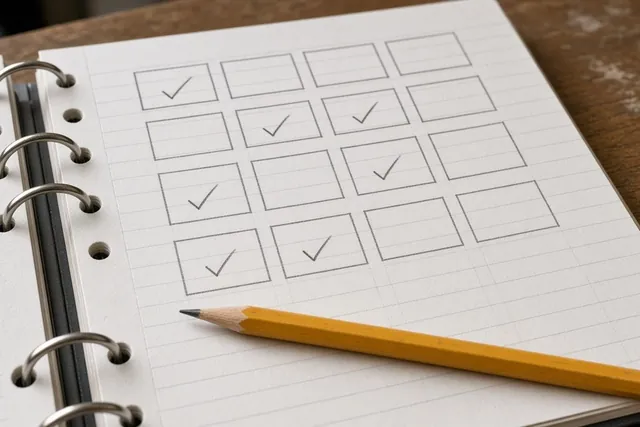
Home service log
Result Next visit: heating check-up, due October 14, 2026
- On the log
- 5 services
- Book ahead
- 28 days before each due date
Next visits, in date order
- October 14, 2026 Heating check-up (every year, fall): book by September 16
- November 20, 2026 Chimney or wood stove: clean and inspect (every year): book by October 23
- December 6, 2026 Carpet cleaning (every year): book by November 8
- March 12, 2027 Septic inspection (every 3 years): book by February 12
- May 2, 2027 Cooling check-up (every year, spring): book by April 4
Home: ____________________ · Log started: __________
| Service | Company and phone | Last visit | What was done | Invoice no. | Next due |
|---|---|---|---|---|---|
| Heating check-up | October 14, 2025 | October 14, 2026 | |||
| Chimney or wood stove: clean and inspect | November 20, 2025 | November 20, 2026 | |||
| Carpet cleaning | December 6, 2025 | December 6, 2026 | |||
| Septic inspection | March 12, 2024 | March 12, 2027 | |||
| Cooling check-up | May 2, 2026 | May 2, 2027 | |||
The company's own schedule, a service contract or the equipment manual wins over these dates. At each visit, ask when they want to come back and write that in the last column.
How to use this, in plain words
Find the last invoice or the sticker a service company left on the furnace, the stove or the tank lid. The date on it is your last visit.
Tick each service your home has and type the last visit date. Leave it blank if you can't find one.
Add anything else you pay for on a schedule, such as carpet cleaning, with the number of months between visits.
Read the list from the top. The first date is the next call to make, and the book-by date is when to make it.
Print the log and fill in the company, phone and invoice number for each row. Add a new line after every visit.
Before you start
- Note 01
Look for the last invoice first
Email receipts, a card stapled in the binder or a sticker on the equipment often carry the date. A guessed date moves the due date with it.
- Note 02
No date at all? Book one now
The tool puts a service with no date at the top. One visit gives you a real starting date for the log.
- Note 03
Ask when they want to come back
The company may set its own interval for your equipment. Write it in the last column; it wins over the tool's date.
- Note 04
Keep the log with the paperwork
File it in the home records binder next to the appliance log, so the model numbers are at hand when you call.
How it works
- Next due = last visit + the interval in whole months. A day past the end of the month moves to its last day, so August 31 plus 6 months is February 28.
- Heating and cooling check-ups: once a year each. ENERGY STAR suggests the cooling check-up in spring and the heating check-up in fall, because contractors get busy once summer and winter come.
- Chimney, fireplace or wood stove: cleaned and inspected by a professional each year, from the U.S. Fire Administration's heating list.
- Septic: an inspection at least every 3 years. Systems with float switches, pumps or other mechanical parts are generally inspected once a year (EPA).
- Book by = next due minus 28 days. That four-week lead is this tool's own rule of thumb, not a published figure.
Source: ENERGY STAR maintenance checklist, checked October 15, 2026; USFA heating fire safety, checked October 11, 2026; EPA How to care for your septic system, checked October 11, 2026.
Worked example
A house with a furnace, central air, a wood stove and a septic tank. The owners also have the carpets cleaned once a year. Last visits: heating October 14, 2025, cooling May 2, 2026, chimney November 20, 2025, septic March 12, 2024, carpets December 6, 2025.
- Heating check-up: last visit October 14, 2025, once a year, so the next one is due October 14, 2026. Book by September 16, 2026, 28 days ahead.
- Chimney: cleaned and inspected November 20, 2025, due again November 20, 2026.
- Carpet cleaning: your own row, every year from December 6, 2025, due December 6, 2026.
- Septic inspection: last March 12, 2024, at least every 3 years, so due March 12, 2027.
- Cooling check-up: last May 2, 2026, due May 2, 2027, in the spring.
- Sorted, the heating visit comes first. The sheet has 5 rows plus two blank ones for the next service you add.
If the answer surprises you
The heating visit is already due
A yearly date from last fall lands in the same weeks this fall. If the book-by date has passed, call this week rather than waiting for the due date.
The septic date looks a long way off
Household systems go three years between inspections (EPA). Systems with pumps or float switches go one year, so tick that box if yours has them.
Source: EPA How to care for your septic system, checked October 11, 2026.
February 28 instead of the 31st
The tool adds whole months. When the month is shorter, the date moves to its last day.
What to record
The printed log has one row per service plus two blank rows, with these columns. Print it from the tool, or print a blank sheet.
- Service
- Company and phone
- Last visit (date)
- What was done
- Invoice no.
- Next due (date)
Variants
If you rent
Heating, cooling and septic service usually belong to the landlord. Keep the log anyway, with the landlord or building office in the company column, and write down when you reported something and when someone came.
Septic with pumps or float switches
Tick the second septic box. EPA says alternative systems with mechanical parts are generally inspected once a year, so the tool counts 12 months instead of 36.
Source: EPA How to care for your septic system, checked October 11, 2026.
A service contract
If a company sold you a plan with its own schedule, put the service in your own rows with the contract's interval. The contract's dates are the ones that count.
Numbers this tool uses
- Heating and cooling check-upOnce a year: cooling in spring, heating in fall ENERGY STAR maintenance checklist, October 15, 2026
- Chimney and heating equipmentCleaned and inspected each year USFA heating fire safety, October 11, 2026
- Household septic inspectionAt least every 3 years EPA How to care for your septic system, October 11, 2026
Limitations
- Planning estimate; check the manufacturer's manual and your service company's schedule before you book, since either may ask for a different interval.
- The tool keeps dates and contacts only. It does not say whether a system is working, what a visit should include or which company to hire. Ask a licensed contractor.
- Septic pumping is not on its own row. EPA says household tanks are typically pumped every three to five years; the inspector tells you when yours is due, so write that date in the last column.
Tips and tricks
- Tip 01
Book the fall visit at the time change
ENERGY STAR suggests planning check-ups around the spring and fall time changes. Put both on the calendar the day the clocks move.
Source: ENERGY STAR maintenance checklist, checked October 15, 2026.
- Tip 02
Ask for the invoice by email
A dated email is easy to find next year, and the invoice number goes straight onto the log.
- Tip 03
One line per visit, not per company
If the same company does heating and cooling, give each visit its own line so each date stays clear.
- Tip 04
Have the model number ready
The company will ask for it. Keep the appliance log open when you call, so you don't have to go and read the label on the unit.
What we would do
Fill in the dates tonight, call for the first one tomorrow
Pull the last invoices, type the dates and print the log. Call for whatever is at the top of the list, and keep the sheet in the binder so the next visit goes on the same page.
Questions
How often should I get my furnace and AC checked?
Once a year each, by a contractor. ENERGY STAR suggests the cooling check-up in spring and the heating check-up in fall, before contractors get busy.
Source: ENERGY STAR maintenance checklist, checked October 15, 2026.
How often does a chimney need cleaning and inspecting?
The U.S. Fire Administration says to have heating equipment and chimneys cleaned and inspected by a professional each year. The tool puts the chimney on a yearly row.
Source: USFA heating fire safety, checked October 11, 2026.
How often should a septic system be inspected?
EPA says at least every three years for a household system, and generally once a year for systems with pumps, float switches or other mechanical parts. Pumping depends on what the inspector finds; EPA puts it at every three to five years for a typical household tank.
Source: EPA How to care for your septic system, checked October 11, 2026.
What should I write down after a service visit?
The company and phone number, the date, what they did, the invoice number and when they want to come back. EPA tells septic owners to keep the maintenance records on work done to the system, and the same habit works for every row.
Source: EPA How to care for your septic system, checked October 11, 2026.
Does the tool save my answers?
No. The schedule is rebuilt from the form each time, and nothing leaves your browser. Print the log, or save it as a PDF from the print dialog.
Part of a system
This page is one part of a bigger job. The system page puts the parts in order.
 SystemGutter and downspout recordOne page for your gutters: measure each run from the ground, check the size and downspout count, book spring and fall cleanings, note every spill.8 steps · 5 parts · 1 page to printOpen the system
 SystemMonthly house checkOne page for the monthly house check: test each smoke and CO alarm, look at the filter, read the water meter, check under the sinks, write one line.8 steps · 7 parts · 1 page to printOpen the system
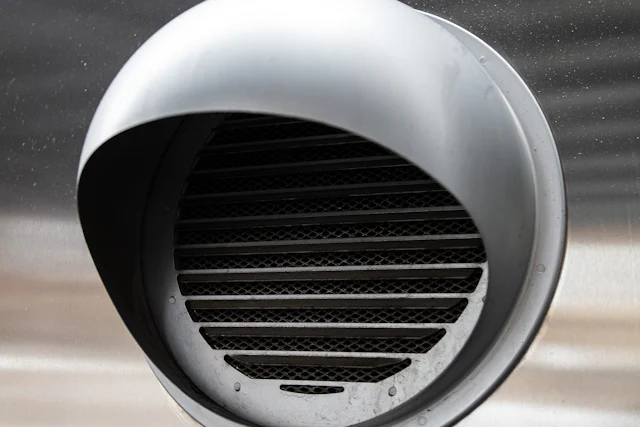 SystemSummer cooling-season recordOne printable page for the cooling season: the AC model and age, the spring check-up, a filter date each month, hot rooms and bills to show the contractor.8 steps · 7 parts · 1 page to printOpen the system
 SystemWater heater size and age recordOne page for your water heater: copy the label and data plate, find the install date, check the first hour rating against your busiest hour, log every visit.9 steps · 5 parts · 1 page to printOpen the system
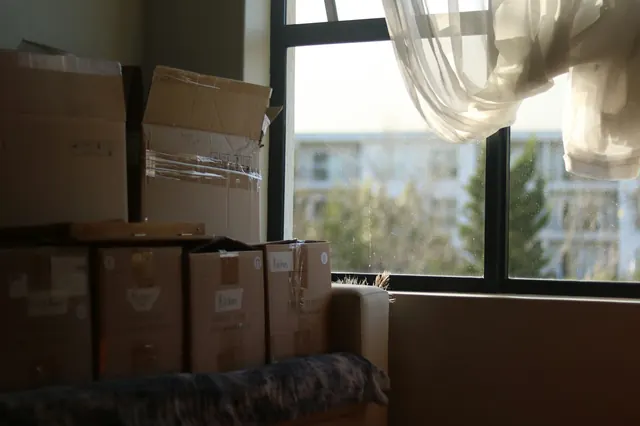 SystemWho to call: household contacts and service history on one pageKeep one page of who you call for heating, cooling, chimney, septic and the rest, with each visit dated, its invoice number and the next date to book.9 steps · 3 parts · 1 page to printOpen the system
Guides that go deeper
 Know-howHow often each home service is due: furnace, AC, chimney and septic on one calendarFurnace and AC check-ups once a year, the chimney every year, septic inspection at least every three years, and where each one goes on your calendar.Read the guide
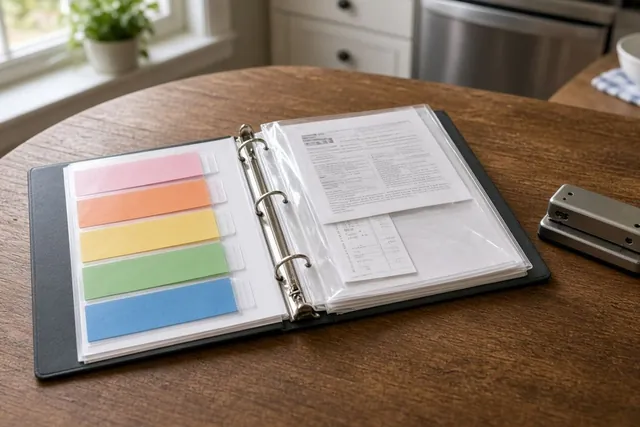 Practical noteWhat to write down after a service visit: one line before the truck leavesThe tech is packing up. Get the company, the date, what they did, the invoice number and when to come back onto one line, and photograph the invoice.Read the guide
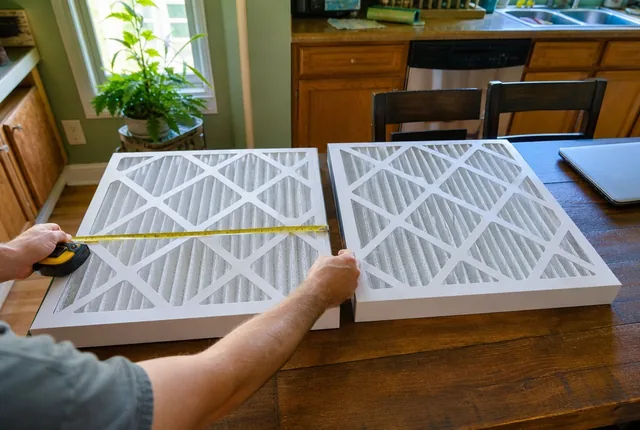
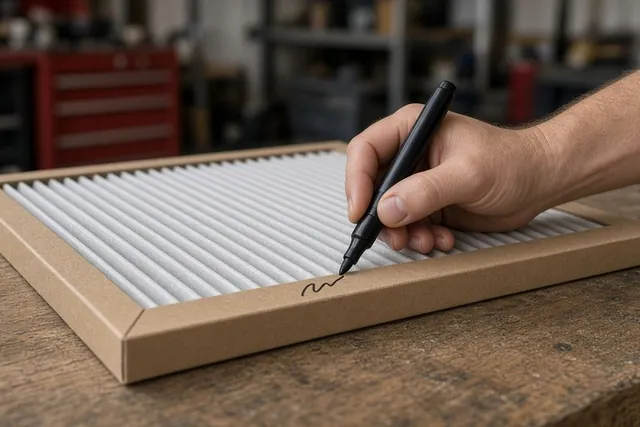
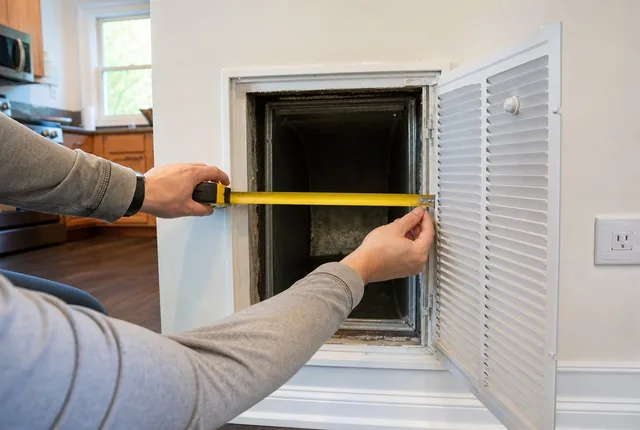 ProblemNo size printed on my air filter: how to find itThe print on the frame is gone or the slot is empty. Measure the opening, round to the nearest inch, and know when you need a custom size.Read the guide
Related tools
 Chapter 01Appliance and warranty logRecord each appliance's model number, serial number and purchase date, see which warranty ends next, and print a one-page log for the drawer.Open the tool
 Chapter 01HVAC filter size finder and replacement plannerTurn a nominal size like 16x25x1 into the filter's actual dimensions, or measure an old filter to find the size to buy, then plan the next change.Open the tool
 Chapter 01Smoke and CO alarm plannerCount smoke and CO alarms level by level from NFPA's placement list, then get the replace-by date and the next battery change for your alarms.Open the tool
 Chapter 01Keys, codes and remotes logCount the full sets of house keys you need, the copies to cut for each lock and the garage remotes to get, then print a log of who has what.Open the tool
 Chapter 01Home inventory sheetList what you own room by room, with what you paid, serial numbers and which items have a photo. See each room's total and print a one-page sheet.Open the tool
 Chapter 05Home maintenance calendarPick your climate region, say whether you own or rent and tick what the house has. Get a year of household jobs by month and a year sheet to print.Open the tool
 Chapter 01Gutter and downspout sizingMeasure a gutter run and its roof from the ground, apply the pitch factor, and get the gutter size, downspout count and slope, plus a printable gutter log.Open the tool
- Chapter 05Outage supply plannerCount the water, food and flashlights for a home supply and a go-bag from the Ready.gov and Red Cross lists, with refill dates and a printable supply list.Open the tool
 Chapter 01Water heater capacity estimatorAdd up your busiest hour of hot water, check it against the first hour rating on the EnergyGuide label, and print a record of your heater.Open the tool
- Chapter 01All records toolsPrintable home records with a calculator behind each one: appliance and warranty log, HVAC filter sizes and change dates.Open the chapter
Sources
- Heating and Cooling Maintenance Checklist, ENERGY STAR (U.S. EPA and DOE). Checked October 15, 2026.
- Heating fire safety outreach materials, U.S. Fire Administration (FEMA). Checked October 11, 2026.
- How to Care for Your Septic System, U.S. Environmental Protection Agency. Checked October 11, 2026.
See every source on the site on the sources page. Spotted an error? Tell us.