Chapter 05Calendar · System
Spring home checklist and leak-check record
Do the spring list on the weekend the clocks go forward, March 14, 2027. Book the cooling check-up first, since ENERGY STAR says contractors get busy once summer comes. Then read the date on the back of each smoke alarm and replace any that are 10 years past it, test every smoke and CO alarm, and look at the HVAC filter. Finish with EPA's leak check: read the water meter, use no water for two hours and read it again. If the number moved, you probably have a leak, so write it down and call a plumber or your landlord.
Source: NIST, daylight saving time rules, checked October 12, 2026; ENERGY STAR maintenance checklist, checked October 15, 2026; USFA, Don't wait, check the date handout, checked October 12, 2026; NFPA, installing and maintaining smoke alarms, checked October 15, 2026; NFPA, carbon monoxide safety, checked October 15, 2026; EPA WaterSense, Fix a Leak Week, checked October 15, 2026.
- Clocks go forward: the weekend for the spring listMar 14, 2027 NIST, daylight saving time rules, October 12, 2026
- From the date on its back, a smoke alarm gets replaced10 years USFA, Don't wait, check the date handout, October 12, 2026
- With no water used: if the meter moves, there is probably a leak2 hours EPA WaterSense, Fix a Leak Week, October 15, 2026
Do it, skip it or get help
Do the checks and the notes yourself
Reading alarm dates, pressing test buttons, looking at the filter, reading the water meter and dropping food coloring in a toilet tank take a step stool, a flashlight and an afternoon.
Skip the rows that aren't yours
No sprinkler system, no hoses, no central air: leave those rows blank. In an apartment without its own water meter, skip the meter rows and keep the toilet and faucet checks.
The work goes to a pro or the landlord
The cooling check-up is contractor work. So is fixing any leak you find, and EPA points to a WaterSense certified irrigation pro for sprinkler systems. Anything on the roof or at gutter height is booked work too. This page only tells you what to check and what to write down.
Source: ENERGY STAR maintenance checklist, checked October 15, 2026; EPA WaterSense, Fix a Leak Week, checked October 15, 2026.
The steps, in order
Pick the weekend
Put the list on the weekend the clocks go forward. In 2027 that is Sunday, March 14. ENERGY STAR suggests the time changes as the cue for the check-ups.
Have ready: The printed working copy and your phone calendar
Source: NIST, daylight saving time rules, checked October 12, 2026; ENERGY STAR maintenance checklist, checked October 15, 2026.
Book the cooling check-up
Call before the first hot week. ENERGY STAR says contractors get busy once summer arrives and recommends a yearly check-up before the season. Renters ask the landlord when it's booked.
Have ready: The air conditioner or heat pump model number from your appliance log
Source: ENERGY STAR maintenance checklist, checked October 15, 2026.
Read the date on each smoke alarm
Take each alarm down and read the date of manufacture on the back. USFA says to replace a smoke alarm 10 years from that date. Put the younger ones back up.
Have ready: A step stool and a list of where each alarm is
Source: USFA, Don't wait, check the date handout, checked October 12, 2026.
Test every smoke and CO alarm
Press each test button until the alarm sounds. NFPA says to test smoke and CO alarms at least once a month, so this counts as March's test. Write the date for each one.
Have ready: A helper in the farthest bedroom to say whether they heard it
Source: NFPA, installing and maintaining smoke alarms, checked October 15, 2026; NFPA, carbon monoxide safety, checked October 15, 2026.
Look at the HVAC filter
Pull the filter and hold it to the light. ENERGY STAR says to inspect, clean or change it once a month. If you change it, write the date on the new frame.
Have ready: The filter size from your filter record and a spare
Source: ENERGY STAR maintenance checklist, checked October 15, 2026.
Run the two-hour meter check
Read the water meter and write the number down. Use no water for two hours, then read it again. EPA says that if the meter changes at all, you probably have a leak.
Have ready: A flashlight for the meter box and a two-hour stretch when nobody is home or showering
Source: EPA WaterSense, Fix a Leak Week, checked October 15, 2026.
Check each toilet with food coloring
Put a few drops of food coloring in the tank and wait 10 minutes without flushing. Color in the bowl means the toilet leaks. Flush when you're done so the tank doesn't stain.
Have ready: Food coloring and a timer
Source: EPA WaterSense, Fix a Leak Week, checked October 15, 2026.
Note drips and the sprinkler question
Look for water on the outside of faucets and pipe fittings and list each spot. If you have an in-ground sprinkler system, EPA says to check it each spring before use for frost damage, so book that before the first run.
Have ready: The sheet's notes column
Source: EPA WaterSense, Fix a Leak Week, checked October 15, 2026.
Book the fixes and file the sheet
Call a plumber, the irrigation pro or the landlord for anything you found, and write the date you called. Then file the sheet in the binder behind last fall's page.
Have ready: The home records binder and the service log
Print the working copy
One page, black and white, US Letter. Tick the boxes and write the dates in.
- Cooling check-up booked
- Cooling check-up done (who came)
- Sprinkler check booked, if in-ground
- Leak fix booked, if one was found
- Date on the back of each smoke alarm read
What goes wrong
The cooling check-up gets booked in the first heat wave
ENERGY STAR notes that contractors get busy once summer comes. A call on the March time change comes before that rush.
Source: ENERGY STAR maintenance checklist, checked October 15, 2026.
An alarm past its date stays on the ceiling
An old alarm can still sound when you press the button, so the test alone won't tell you it's due. USFA says to replace it 10 years from the date on the back.
Source: USFA, Don't wait, check the date handout, checked October 12, 2026.
A slow leak runs all year
A silent toilet leak doesn't show up until the bill does. EPA says the average household's leaks can waste more than 9,300 gallons a year, and nine percent of homes leak 50 gallons or more a day.
Source: EPA WaterSense, Fix a Leak Week, checked October 15, 2026.
The sprinklers come on with winter damage
EPA says a sprinkler leak 1/32 inch across, about the thickness of a dime, can waste about 6,300 gallons a month. Book the spring check before the first watering day.
Source: EPA WaterSense, Fix a Leak Week, checked October 15, 2026.
The meter check runs while someone uses water
An ice maker refilling, a dishwasher cycle or a shower in those two hours moves the meter too. Turn off what you can and start again if anyone uses water.
When the steps change
Renting
Keep the alarm, filter and toilet rows if those are yours. Ask the landlord when the cooling check-up is booked and who reads the meter. Report any leak in writing and note the date on the sheet.
Hawaii and most of Arizona
NIST lists Hawaii and most of Arizona among the places that don't change their clocks. The list still works: do it on the second weekend of March anyway.
Source: NIST, daylight saving time rules, checked October 12, 2026.
On a hurricane coast
Ready.gov lists the Eastern Pacific season from May 15 and the Atlantic season from June 1. Add a row to read the Ready.gov hurricane page and check your supplies before your coast's season opens.
Source: Ready.gov, hurricanes, checked October 12, 2026.
Apartment without its own meter
Skip the two-hour meter check. The food coloring test and the look at faucets and fittings still work. Report anything you find to the landlord in writing.
Tips and tricks
- Tip 01
Photograph the meter both times
A phone photo of each reading saves you from misreading the small dial later, and it timestamps the two hours for you.
- Tip 02
Run the meter check while you're out
Read the meter as you leave for errands and again when you get back. Nobody uses water while the house is empty.
- Tip 03
Mark each alarm with its replace year
When you read the date on the back, add 10 years and write that year on the sheet next to the alarm's room. Next spring you only read the sheet.
Source: USFA, Don't wait, check the date handout, checked October 12, 2026.
- Tip 04
Book cooling and sprinklers in the same hour
Make both calls in one sitting on the time change weekend. Write each booked date on the service log right away.
- Tip 05
Keep last fall's page next to this one
The fall sheet says where the hoses went and which windows were drafty. Read it before you start, so nothing gets checked twice.
What we would do
Put March 14 in your phone now, then do the list that weekend
Set a reminder for Sunday, March 14, 2027. That weekend, make the cooling call first, then walk the house with a step stool for the alarms and the filter, and run the meter check while you're out on errands. Any leak you find goes to a plumber or the landlord the same week.
Source: NIST, daylight saving time rules, checked October 12, 2026; EPA WaterSense, Fix a Leak Week, checked October 15, 2026.
The tools and guides in this system
 Chapter 05Home maintenance calendarPick your climate region, say whether you own or rent and tick what the house has. Get a year of household jobs by month and a year sheet to print.Open the tool
 Chapter 01Smoke and CO alarm plannerCount smoke and CO alarms level by level from NFPA's placement list, then get the replace-by date and the next battery change for your alarms.Open the tool
 Chapter 01HVAC filter size finder and replacement plannerTurn a nominal size like 16x25x1 into the filter's actual dimensions, or measure an old filter to find the size to buy, then plan the next change.Open the tool
 Practical noteThe spring time change list: four house jobs for the weekend the clocks go forwardWhat to do the weekend the clocks go forward: book the cooling check-up, read each smoke alarm's date, test every alarm and look at the HVAC filter.Read the guide
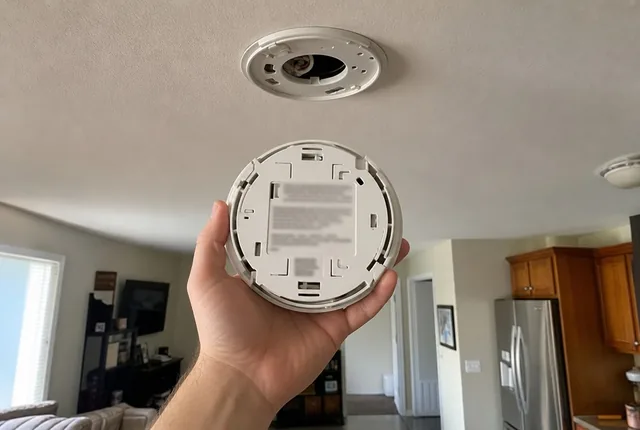 Know-howHow old is my smoke alarm? Reading the date on the backTake it down, find the date of manufacture on the back and add 10 years. What to do with no date, sealed batteries and CO alarms.Read the guide
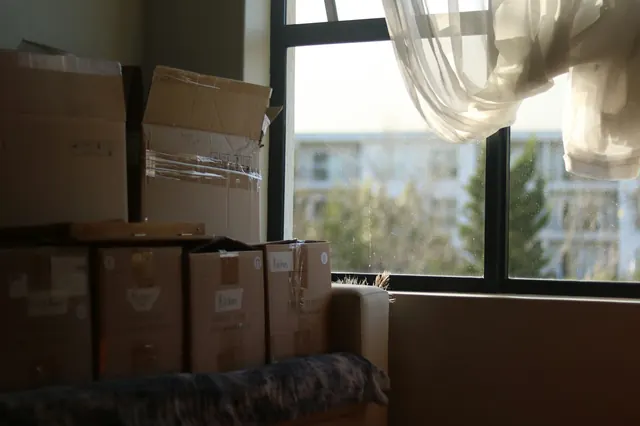 Know-howMeter readings to record on move dayRead and photograph the electric, gas and water meters at the home you leave and the one you move into. How digital and dial meters read, and what to write.Read the guide
- Chapter 05All calendar toolsA home maintenance calendar for your climate region: the jobs to book, check and write down each month, for owners and renters, with a year sheet to print.Open the chapter
Questions
What should be on a spring home maintenance checklist?
Booking the cooling check-up, reading the date on each smoke alarm, testing every smoke and CO alarm, looking at the HVAC filter, and a leak check: the two-hour water meter test and food coloring in each toilet tank. Add a sprinkler check if you have an in-ground system. Each row gets a date.
Source: ENERGY STAR maintenance checklist, checked October 15, 2026; USFA, Don't wait, check the date handout, checked October 12, 2026; NFPA, installing and maintaining smoke alarms, checked October 15, 2026; EPA WaterSense, Fix a Leak Week, checked October 15, 2026.
When should I do spring home maintenance?
The weekend the clocks go forward works well. ENERGY STAR suggests the time changes as the reminder for the check-ups, and in 2027 the clocks go forward on Sunday, March 14.
Source: ENERGY STAR maintenance checklist, checked October 15, 2026; NIST, daylight saving time rules, checked October 12, 2026.
How do I check my house for a water leak?
EPA's method: read the water meter, use no water for two hours, then read it again. If it changed at all, you probably have a leak. For toilets, put a few drops of food coloring in the tank; color in the bowl after 10 minutes means a leak. Fixing it is a job for a plumber or the landlord.
Source: EPA WaterSense, Fix a Leak Week, checked October 15, 2026.
When is EPA's Fix a Leak Week?
EPA holds it every March. In 2026 it ran from March 16 to 22. Doing your own leak check on the time change weekend puts it in the same month.
Source: EPA WaterSense, Fix a Leak Week, checked October 15, 2026.
Do renters need a spring checklist?
A shorter one. Renters usually keep the alarm, filter and toilet rows, ask the landlord about the cooling check-up and the meter, and write down the date they reported any leak.
The primary source
Fix a Leak Week, U.S. Environmental Protection Agency, WaterSense. Checked October 15, 2026.
The steps on this page follow this source. Other figures cite their own source where they appear.
Other sources on this page
- Daylight Saving Time Rules, National Institute of Standards and Technology (NIST). Checked October 12, 2026.
- Heating and Cooling Maintenance Checklist, ENERGY STAR (U.S. EPA and DOE). Checked October 15, 2026.
- Don't Wait, Check the Date! Replace smoke alarms every 10 years, U.S. Fire Administration (FEMA). Checked October 12, 2026.
- Installing and maintaining smoke alarms, National Fire Protection Association (NFPA). Checked October 15, 2026.
- Carbon monoxide safety, National Fire Protection Association (NFPA). Checked October 15, 2026.
- Hurricanes, Ready.gov (U.S. Department of Homeland Security, FEMA). Checked October 12, 2026.
See every source on the site on the sources page. Spotted an error? Tell us.