Chapter 01Records · System
Fall home checklist and winter-prep record
Book the heating check-up first. ENERGY STAR says to check the heating system in the fall, before contractors get busy, and suggests the fall time change as the cue; in 2026 that is Sunday, November 1. Then do the jobs you can do yourself in an afternoon: check the air filter, test each smoke alarm with its button, drain and store the hoses, and note any drafty doors or windows. Write a date next to each one.
Source: ENERGY STAR maintenance checklist, checked October 15, 2026; NIST, daylight saving time rules, checked October 12, 2026; NFPA, installing and maintaining smoke alarms, checked October 15, 2026; American Red Cross, frozen pipes, checked October 6, 2026.
- Clocks go back: a good day to do the listNov 1, 2026 NIST, daylight saving time rules, October 12, 2026
- Air filter check, all yearOnce a month ENERGY STAR maintenance checklist, October 15, 2026
- Smoke alarm test with the buttonOnce a month NFPA, installing and maintaining smoke alarms, October 15, 2026
Do it, skip it or get help
Do the checks and the writing yourself
Checking the filter, pressing the test button on each smoke alarm, putting the hoses away and listing drafty spots need no tools beyond a step stool. The sheet takes one afternoon.
Skip the rows that aren't yours
In an apartment, skip the outdoor rows. If the landlord handles the heating, skip the check-up row and write down who to call instead.
Hire out the heating, gas, chimney and roof
ENERGY STAR's list for a heating check-up includes gas connections, burner combustion and the heat exchanger. That is contractor work. So is anything on the roof, in the chimney or on a ladder at gutter height. Book it, then record the date and who came.
Source: ENERGY STAR maintenance checklist, checked October 15, 2026.
The steps, in order
Pick the day
Put the list on the calendar for the weekend the clocks go back. In 2026 daylight saving time ends on Sunday, November 1. ENERGY STAR suggests the time changes as the reminder for check-ups.
Have ready: A calendar and the printed working copy
Source: NIST, daylight saving time rules, checked October 12, 2026; ENERGY STAR maintenance checklist, checked October 15, 2026.
Book the heating check-up
Call a heating contractor now, not when the first cold night arrives. ENERGY STAR says contractors get busy once winter comes, so the heating system is best checked in the fall.
Have ready: The furnace or heat pump make, model and serial number from your appliance log
Source: ENERGY STAR maintenance checklist, checked October 15, 2026.
Check the air filter
Pull the filter and look at it. ENERGY STAR says to inspect, clean or change it once a month. If you change it, write the date on the new filter's frame and on the sheet.
Have ready: The filter size from your filter record, and a spare filter
Source: ENERGY STAR maintenance checklist, checked October 15, 2026.
Test every smoke alarm
Press the test button on each alarm until it sounds. NFPA says to test smoke alarms at least once a month. Ready.gov lists carbon monoxide detectors in the same winter check. Write the date for each one.
Have ready: A step stool and a list of where each alarm is
Source: NFPA, installing and maintaining smoke alarms, checked October 15, 2026; Ready.gov, winter weather, checked October 6, 2026.
Put the hoses away
Unhook the garden hoses, let the water run out and store them inside. The Red Cross puts this on its cold-weather list because outdoor hose bibs are exposed to the cold.
Have ready: A dry spot in the garage or basement
Source: American Red Cross, frozen pipes, checked October 6, 2026.
Walk the doors and windows
Feel for cold air around each outside door and window and list the drafty ones. Ready.gov names caulking and weather stripping as ways to keep the cold out.
Have ready: A pencil, and the sheet's notes column
Source: Ready.gov, winter weather, checked October 6, 2026.
Check the winter supplies
Ready.gov says to gather supplies in case you need to stay home for several days without power. Note where the flashlights and batteries are, and what to buy.
Have ready: A shopping list
Source: Ready.gov, winter weather, checked October 6, 2026.
File the sheet
Put the finished page in the home records binder, behind the filter record. Next fall, start from this year's notes.
Have ready: The home records binder, or a folder
Print the working copy
One page, black and white, US Letter. Tick the boxes and write the dates in.
- Heating check-up booked
- Heating check-up done (who came)
- Chimney inspection, if you have a fireplace
- Gutters cleared (who did it)
- Air filter checked or changed
What goes wrong
The check-up gets booked in the first cold snap
Contractors fill up once winter arrives, so a late call can mean a wait. Booking in October avoids it.
Source: ENERGY STAR maintenance checklist, checked October 15, 2026.
Nobody knows when the filter was changed
Without a date on the frame or on paper, the filter stays in until someone remembers. Write the date in both places.
A hose left connected over a freeze
The Red Cross names outdoor hose bibs among the pipes most exposed to severe cold. A hose left on keeps water at the faucet.
Source: American Red Cross, frozen pipes, checked October 6, 2026.
Alarms tested, but no record kept
If one alarm stays silent, you need to know which one and when you last heard it. Write a date for each alarm on the sheet.
When the steps change
Renting an apartment
Keep the filter, smoke alarm and draft rows if those are yours to check. Skip the hose and outdoor rows. For the heating, write down the landlord's contact and the date you reported anything.
House with a fireplace
Add a row for a chimney sweep's inspection before the first fire. That is booked work, not a job for you; record the date and the company.
Mild winter area
The hose and draft rows matter less where it rarely freezes. Keep the check-up, filter and alarm rows: they don't depend on the weather.
Tips and tricks
- Tip 01
Photograph the furnace label
Take a photo of the furnace's data plate while you're down there. The contractor will ask for the model number, and it belongs in your appliance log.
- Tip 02
Buy filters in pairs
Keep one spare in the box by the grille, so the next change isn't a store trip.
- Tip 03
Test alarms with a helper
Have someone stand in the farthest bedroom with the door shut while you press the button. That way you hear whether the alarm carries through a shut door.
- Tip 04
Mark the hose spot
Coil the hoses where you'll look for them in spring and write that spot on the sheet.
- Tip 05
Keep last year's sheet
File each year's page behind the last one. The dates show what slipped and what the contractor found last time.
What we would do
Book this week, do the rest on November 1
Call for the heating check-up this week, before the first cold snap fills contractors' calendars. Then print the working copy and do the hands-on rows on the weekend the clocks go back, Sunday, November 1, 2026. File the sheet in the binder the same day.
Source: ENERGY STAR maintenance checklist, checked October 15, 2026; NIST, daylight saving time rules, checked October 12, 2026.
The tools and guides in this system
 Chapter 01HVAC filter size finder and replacement plannerTurn a nominal size like 16x25x1 into the filter's actual dimensions, or measure an old filter to find the size to buy, then plan the next change.Open the tool
 Chapter 01Appliance and warranty logRecord each appliance's model number, serial number and purchase date, see which warranty ends next, and print a one-page log for the drawer.Open the tool
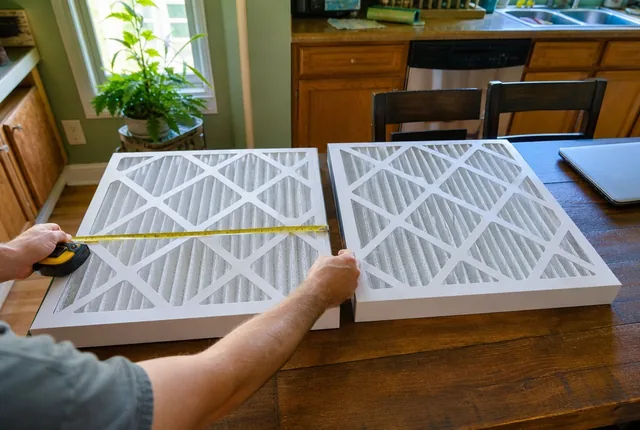 Know-howNominal vs actual HVAC filter sizes, explainedWhy a 16x25x1 filter measures about 15.5 x 24.5 x 0.75 inches, how to read the label, and how to size an old filter with no print on it.Read the guide
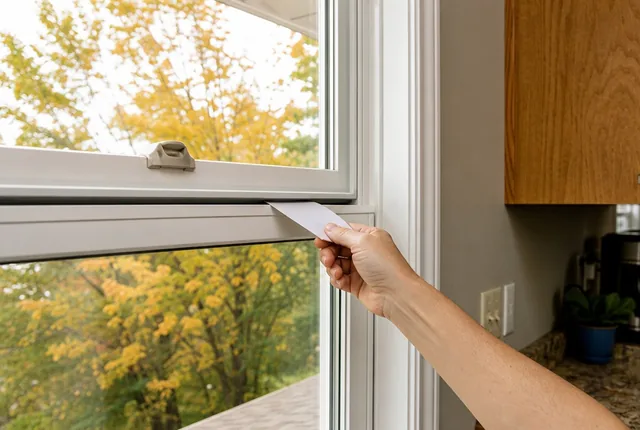 Practical noteWindow and door draft check: a fall walk-throughWalk every outside door and window, try the paper test, list what you find and pick a fix: weather stripping, window film or a booked pro.Read the guide
- Chapter 01All records toolsPrintable home records with a calculator behind each one: appliance and warranty log, HVAC filter sizes and change dates.Open the chapter
Questions
When should I do fall home maintenance?
Book the heating check-up early in the fall. ENERGY STAR says contractors get busy once winter comes and suggests the fall time change as the reminder. In 2026 the clocks go back on Sunday, November 1.
Source: ENERGY STAR maintenance checklist, checked October 15, 2026; NIST, daylight saving time rules, checked October 12, 2026.
What should be on a fall home maintenance checklist?
The heating check-up booking, an air filter check, a smoke and carbon monoxide alarm test, hoses drained and stored, a walk around the doors and windows for drafts, and a look at your winter supplies. Each one gets a date.
Source: ENERGY STAR maintenance checklist, checked October 15, 2026; NFPA, installing and maintaining smoke alarms, checked October 15, 2026; Ready.gov, winter weather, checked October 6, 2026; American Red Cross, frozen pipes, checked October 6, 2026.
Do renters need a fall checklist?
A shorter one. Renters usually keep the filter, alarm and draft rows if those are theirs, skip the outdoor rows, and log the date they reported anything to the landlord.
How often should I test smoke alarms?
NFPA says at least once a month, using the test button. The fall list is a good place to restart the habit.
Source: NFPA, installing and maintaining smoke alarms, checked October 15, 2026.
Should I change the furnace filter in the fall?
Check it in the fall and every month after. ENERGY STAR says to inspect, clean or change it once a month, and the EPA says manufacturers typically recommend a new one every 60 to 90 days.
Source: ENERGY STAR maintenance checklist, checked October 15, 2026; EPA, Guide to Air Cleaners in the Home, checked October 9, 2026.
The primary source
Heating and Cooling Maintenance Checklist, ENERGY STAR (U.S. EPA and DOE). Checked October 15, 2026.
The steps on this page follow this source. Other figures cite their own source where they appear.
Other sources on this page
- Daylight Saving Time Rules, National Institute of Standards and Technology (NIST). Checked October 12, 2026.
- Installing and maintaining smoke alarms, National Fire Protection Association (NFPA). Checked October 15, 2026.
- Frozen Pipes, American Red Cross. Checked October 6, 2026.
- Winter Weather, Ready.gov (U.S. Department of Homeland Security, FEMA). Checked October 6, 2026.
- Guide to Air Cleaners in the Home, U.S. Environmental Protection Agency. Checked October 9, 2026.
See every source on the site on the sources page. Spotted an error? Tell us.